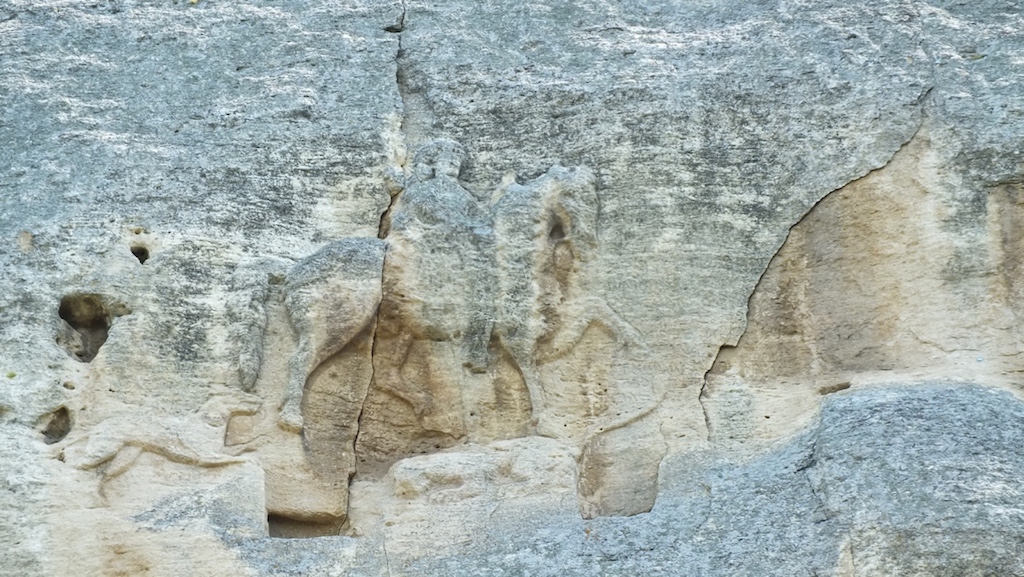
The Madara Rider – One of Bulgaria’s Most Extraordinary UNESCO Sites
Carved high into a limestone cliff in north-eastern Bulgaria, this remarkable 8th-century rock relief is unlike anything else in Europe. Recognised as a UNESCO World Heritage Site, the Madara Rider has become one of Bulgaria’s national symbols and offers visitors a fascinating glimpse into the country’s earliest history.
Located just outside the village of Madara, around 20 kilometres from Shumen, it’s well worth including in any itinerary through north-east Bulgaria.
A Monument Like No Other
The Madara Rider depicts a horseman triumphing over a lion, accompanied by his faithful hunting dog.
Although historians continue to debate exactly who the rider represents, it is widely associated with the early Bulgarian khans and the beginnings of the First Bulgarian Empire. What makes it even more remarkable is that it has remained carved into the same cliff for over 1,200 years, surviving the centuries almost untouched.
Standing beneath the towering rock face, it’s impossible not to be impressed by both its scale and its historical significance. I also couldn’t help but wonder how something was carved onto the cliff at this scale!
More Than Just the Madara Rider
The Madara Rider is part of a much larger archaeological reserve.
If you have time, it’s worth exploring the surrounding area, where you’ll find ancient caves, the remains of a medieval fortress, rock monasteries, walking trails and a small museum that helps bring the history of the site to life.
A Peaceful Place to Explore
One of the things I remember most from my visit wasn’t just the monument itself, but the peaceful surroundings.
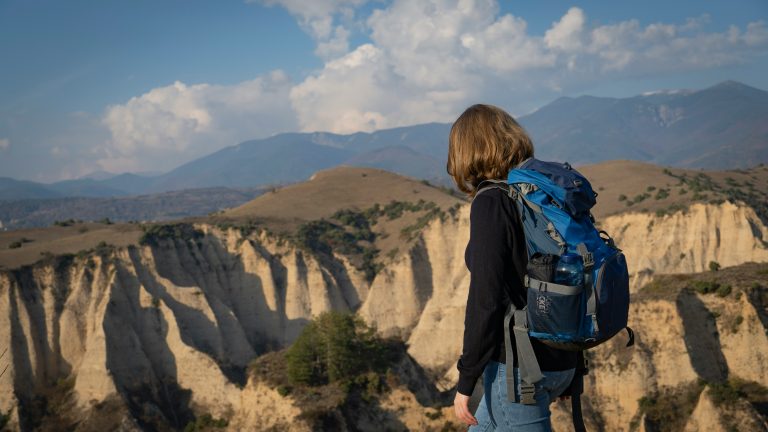
Cliffs, woodland paths and open countryside make this a wonderful place to spend a few hours, particularly if you enjoy combining history, nature and hiking.
📍 Location: Madara Horseman