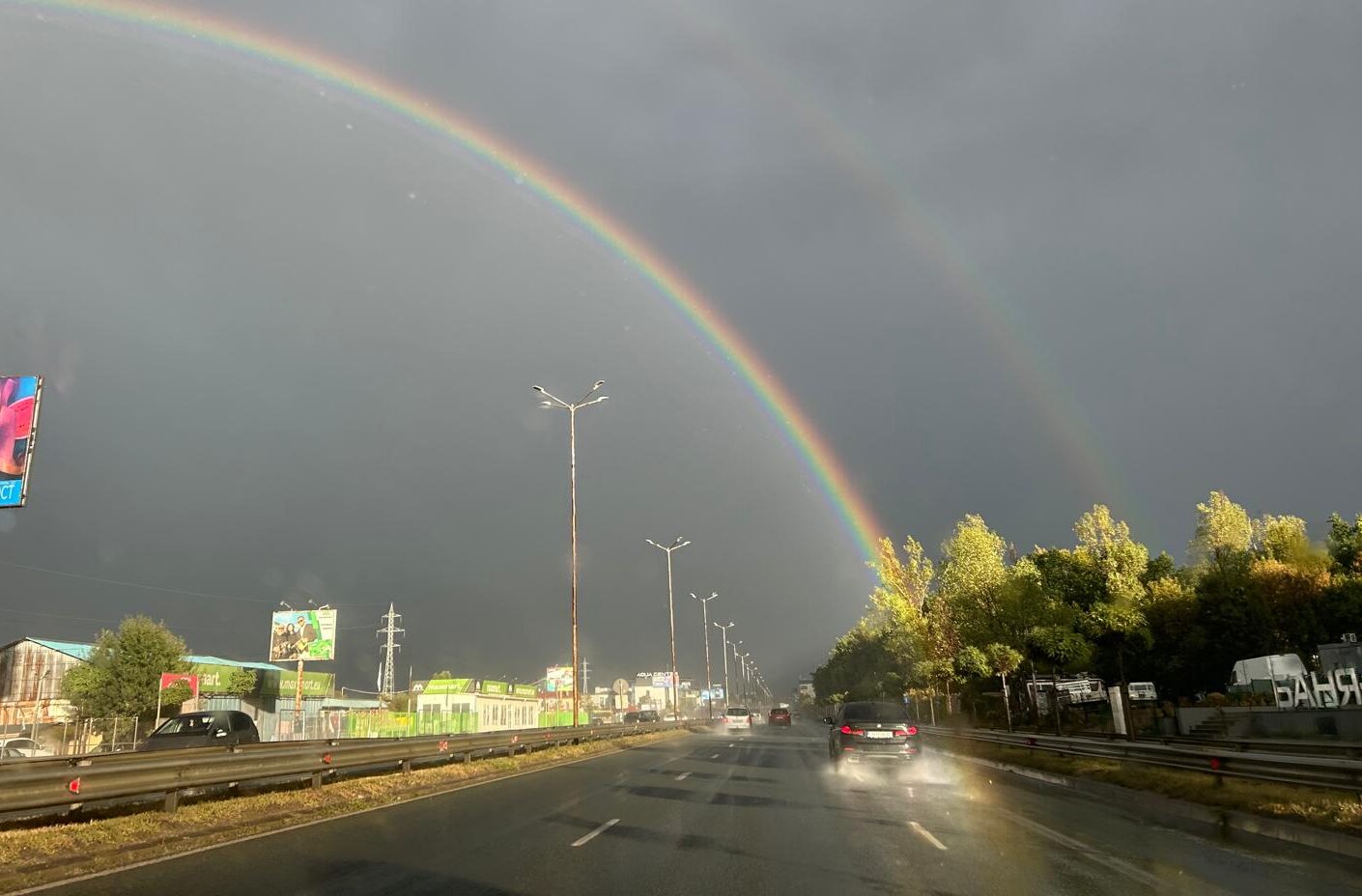
Driving In Bulgaria – What You Need To Know
Driving is one of the best ways to explore Bulgaria. Some of our favourite places are outside the major cities, and having a car gives you the freedom to visit monasteries, wineries, mountain villages and smaller towns that aren’t always particularly easy to reach by public transport.
I’ve been driving in Bulgaria for many years now, having originally learned to drive in the UK. There are a few differences that took some getting used to, and Bulgarian roads can sometimes feel a little more chaotic than British ones, but I wouldn’t let that put you off hiring a car.
Here are the things I’d want a friend visiting Bulgaria to know before getting behind the wheel.
Driving on the Right
The most obvious difference for British visitors is that Bulgaria drives on the right-hand side of the road. If you’re hiring a car here, the steering wheel will be on the left. It doesn’t take too long to adjust, but take particular care when pulling out of junctions or setting off again after stopping somewhere, as that’s when habit can easily take over.
What Is Driving in Bulgaria Actually Like?
This is probably the part that’s difficult to explain through road rules alone. Driving here can feel a little more unpredictable than I’m used to from the UK. You’ll occasionally encounter drivers following extremely closely, changing lanes suddenly or overtaking from the inside. Roundabouts can be particularly interesting. Don’t assume that another driver will indicate where they’re going, because quite often they won’t.
My advice isn’t to be nervous about driving here, simply to drive sensibly and stay very aware of what’s happening around you. Leave plenty of space, don’t feel pressured into driving faster because somebody is close behind you, and take a moment at unfamiliar junctions and roundabouts if you need it.
Speed Limits and Cameras
Pay attention to speed limits because speed enforcement in Bulgaria has increased considerably.
There are fixed and mobile cameras in use across the country, and Bulgaria now also uses average-speed enforcement on selected sections of the national road network. This system measures how long it takes a vehicle to travel between two points and calculates its average speed across the whole section.
Do You Need a Vignette in Bulgaria?
Bulgaria uses an electronic vignette system for cars using the chargeable national road network. There isn’t a sticker to put in the windscreen; the vignette is linked electronically to the vehicle registration number.
You don’t need to buy a vignette simply to drive around Sofia, but if you’re leaving the city and travelling on the national road network, you’ll generally need one. If you’re hiring a car, check with the rental company because the vehicle may already have a valid vignette.
For your own vehicle, buy through the official BG Toll system rather than assuming a third-party website is the official seller. There are several durations available, including daily, weekend, weekly, monthly, quarterly and annual vignettes.
Official BG Toll e-vignette service
Winter Driving and Winter Tyres
Winters in Bulgaria can be very different depending on where you’re travelling. Sofia sits at a fairly high altitude and many of Bulgaria’s mountain roads can see substantial snow and ice.
We normally change our cars onto winter tyres around October or November and switch back to summer tyres around April. Legally, from 15 November to 1 March, vehicles must have tyres suitable for winter conditions or tyres with tread depth of at least 4 mm (as at 2026).
What Do You Need to Carry in the Car?
Bulgarian law requires cars to carry several pieces of safety equipment:
- Warning triangle
- First-aid kit
- Fire extinguisher
- Reflective safety vest
You should also have your driving licence and the vehicle’s registration certificate with you when driving. If you’re renting a car, the required safety equipment should already be provided, but it’s worth checking before setting off on a long journey.
Motorways and Service Stations
This is one area where things have improved enormously since I first started driving in Bulgaria. There are now plenty of good motorway service stations and large petrol stations where you can stop for proper toilets, coffee and food. Some have cafes and fast-food restaurants such as KFC, so on the major routes it’s very easy to stop for a break. It wasn’t always quite like this!
Another little difference visitors sometimes notice is that many Bulgarian petrol stations have attendants who will fill the car for you. They’ll often clean your windscreen while you’re waiting too. I normally give the attendant a small tip, around €1 for the service.
Driving and Parking in Sofia
If you’re staying in central Sofia, you may find that you don’t need a car at all. Traffic can be busy and finding a street parking space in the centre can be frustrating. Sofia has two main short-term paid street-parking zones.
Blue Zone allows parking for a maximum of 2 hours, while Green Zone allows up to 4 hours.
Personally, if I need to drive into the centre, I prefer using one of the paid car parks, such as the parking at NDK, rather than driving around looking for a street space. For actually exploring central Sofia, I’d choose walking or public transport instead. The Metro is clean, inexpensive and usually much easier than worrying about where to leave the car.
Read our Getting Around the City – Sofia Metro Guide
Renting a Car in Bulgaria
For a visit where you’re only staying in Sofia, I probably wouldn’t bother. But if you’re planning to explore beyond the capital, a rental car can completely change what you’re able to see.
From Sofia you can easily build trips around places such as Rila Monastery, Koprivshtitsa, the Seven Rila Lakes, wineries and smaller towns, many of which are much more convenient to visit independently by car.
Our Advice for Driving in Bulgaria
Don’t be put off by stories about Bulgarian driving. Yes, it can feel a little more chaotic than driving in the UK, and you may occasionally wonder whether indicators have become optional equipment, but driving here gives you enormous freedom to explore.
Take your time, expect the unexpected from other drivers, watch your speed and don’t allow an impatient driver behind you to dictate how you drive. And once you’re outside the cities, some of the drives themselves are part of the experience. Bulgaria is a really beautiful country to explore by road.