Bulgaria and the Euro – The Big Change in 2026
After years of talking about it, Bulgaria adopted the EURO on 1 January 2026, officially saying goodbye to the Bulgarian lev.
For visitors arriving in Bulgaria now, there’s nothing that will seem unusual about it. Prices are in euros, ATMs dispense euros and you can use the same currency you would in many other European countries which makes it very easy. For those of us who have lived here for years, though, it has been a big change.
I’ve lived in Bulgaria since 2013, so for more than twelve years I’ve automatically thought about everyday prices in leva. Coffee, dinner, taxis, shopping, bills, everything had a number attached to it in my head. Suddenly, all those familiar numbers have changed.
Saying Goodbye to the Bulgarian Lev
The lev had been Bulgaria’s currency for well over a century, so 1 January 2026 marked the end of a very long chapter.
The change wasn’t completely unfamiliar financially. The lev had been fixed to the euro for many years at a rate of €1 = 1.95583 leva, and that became the official conversion rate when Bulgaria adopted the euro. During January 2026, both currencies could still be used in shops and businesses, although change was generally given in euros. From 1 February, the euro became Bulgaria’s only legal tender.
For most of us living here, the practical side was actually straightforward. Bank accounts were automatically converted, card payments switched to euros and ATMs began dispensing euro notes. The stranger part has simply been getting used to thinking differently.
Getting used to Thinking in Euros
This has probably been the biggest adjustment for me. After more than twelve years of automatically thinking in leva, prices suddenly look much cheaper. Something that used to cost 60 leva is now around €30. Of course, it hasn’t magically become half the price, but there is definitely a moment when you see the smaller number and your brain thinks you’ve found a bargain!
Visitors coming to Bulgaria for the first time won’t notice any of this, of course. But if you’ve visited regularly over the years, seeing restaurant menus, taxi fares and shop prices in euros rather than leva takes some getting used to.
You might still see Lev Prices
During the transition, businesses were required to display prices in both leva and euros. That period officially ended on 8 August 2026, so businesses can now display prices solely in euros, but you may still occasionally come across both prices while everyone adjusts, particularly on older signs, menus or price lists. For anyone who knew Bulgaria before 2026, the quick mental calculation remains quite easy: €1 is roughly 2 leva.
Bulgaria has its own Euro Coins
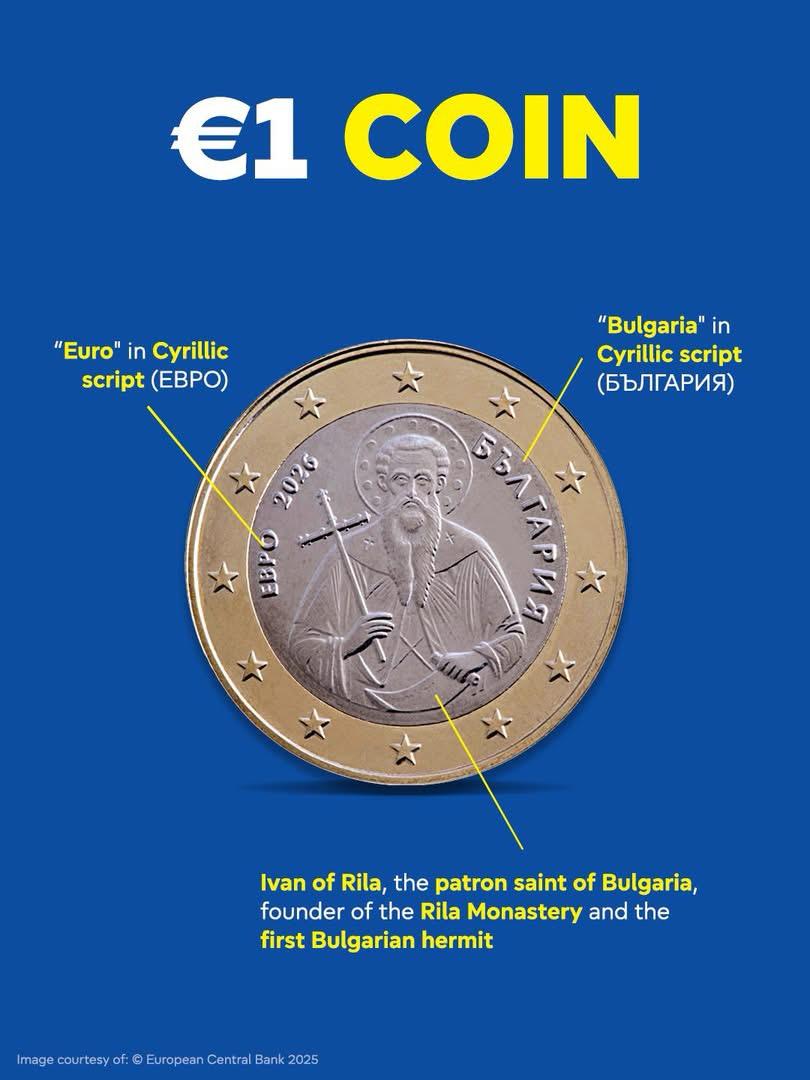
One thing I particularly like about the change is that Bulgaria now has its own designs on euro coins. The €1 coin features St Ivan Rilski, founder of Rila Monastery, while the €2 coin features Paisiy Hilendarski, one of the important figures of the Bulgarian National Revival. The Bulgarian cent coins feature the Madara Horseman, one of Bulgaria’s UNESCO World Heritage sites
So although the lev has disappeared from everyday use, Bulgaria has managed to carry some pieces of its history onto the new currency. And of course those Bulgarian coins can now gradually find their way into pockets and purses all over Europe. We’d still recommend carrying a little cash with you here, especially if you’re travelling around smaller towns and villages or visiting smaller independent businesses, just remember, it’s now euros you need to be carrying!
What if you still have Bulgarian Lev?
If you’ve visited Bulgaria before and discover some old leva tucked away in a drawer, they’re not worthless. The Bulgarian National Bank will continue exchanging lev banknotes and coins into euros indefinitely and without charging a fee, using the official conversion rate of €1 = 1.95583 leva.
Commercial banks are also required to continue offering lev-to-euro exchange until the end of 2026, although since 1 July they have been allowed to charge for the service.
A Big Change
For a visitor arriving today, using euros in Bulgaria will feel completely normal. For those of us who remember Bulgaria in leva, it still feels really strange.
I guess it won’t be long before €5, €20 and €50 feel just as instinctive as their lev equivalents once did. But for now, I still find myself mentally doubling a price to work out what it would have been in leva. And after more than twelve years of living here, I think that habit might take a long time to disappear.